

How Much Does It Cost to Attend an Academic Conference?
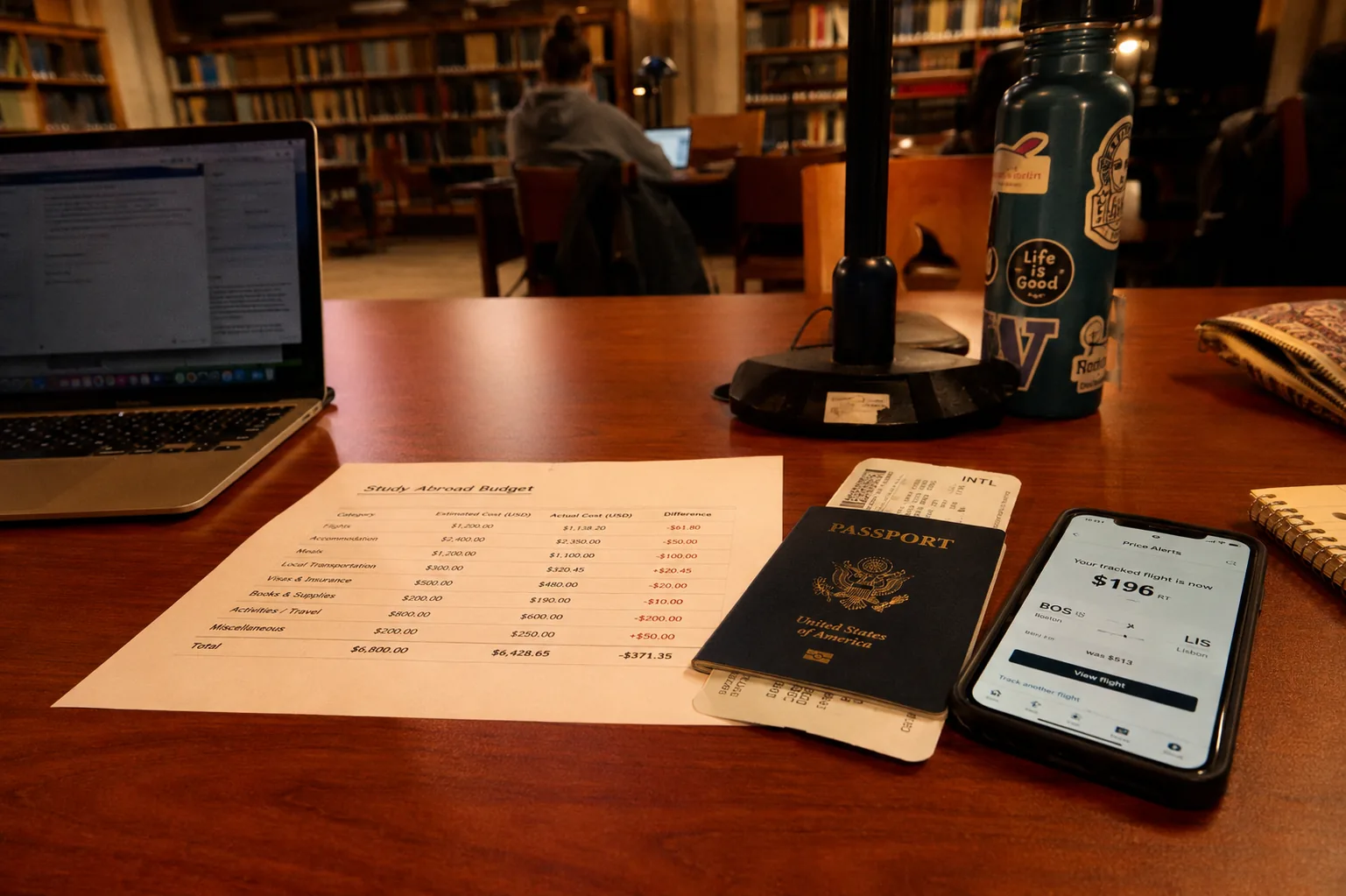
Ask how much a conference costs and you will get answers ranging from “my advisor paid, no idea” to a horror story with a four-digit hotel bill. Here is the honest version: for a typical computer science conference, an in-person attendee pays somewhere between $1,200 and $4,500 all-in, depending mostly on three choices: how far you fly, what city you sleep in, and how early you book. This post breaks down every line with realistic ranges, then shows three worked budgets and how to shrink each line.
Registration: $200 to $900 for academics
Registration is the most predictable line. Typical patterns across ACM, IEEE, and the big AI conferences: student early-bird rates run roughly $200 to $500, regular academic early rates $400 to $900, and late registration adds 20 to 40 percent to either. Workshop-only or single-day registrations, where offered, cost a fraction of the full ticket and are an underrated option if only one co-located event matters to you. Industry conferences play a different game entirely: events like AWS re:Invent or major vendor summits charge $1,500 to $2,500, with the economics aimed at corporate training budgets rather than grad students.
The one rule: never pay the late rate. Early deadlines usually land 4 to 6 weeks before the conference, right around when travel plans firm up anyway. Put the early-bird date in your calendar the day your paper is accepted.
Flights: $150 to $1,800
This is the line with the widest spread. Rough planning numbers: domestic or intra-European flights run $150 to $500; transatlantic $600 to $1,200; transpacific and anything to Oceania $900 to $1,800. Seasonality can double these: a December flight to Sydney for NeurIPS books very differently from a February one, and conferences that land near local holidays (Christmas, Lunar New Year, Golden Week) inherit those fare curves.
The single best flight decision is timing: book at acceptance, not at camera-ready. Notification-to-conference gaps are typically 2 to 4 months, and fares climb through the entire window. If your dates might shift, a slightly pricier refundable fare or an airline credit usually beats waiting.
Hotel: $500 to $1,600
Plan on $120 to $280 per night in most conference cities, times four to six nights. That makes lodging the biggest controllable line in the whole budget. The levers, in order of power: book absurdly early (conference-city inventory only gets worse), consider the conference hotel block (we wrote a full analysis of when the block is and is not a good deal), split a room with a labmate, and check the hostel and aparthotel tier, which in most European and Asian cities is genuinely pleasant now. A few conferences still offer the best deal in academia: campus dorm housing, as at CRYPTO in Santa Barbara, where a week of lodging costs less than two nights in the nearest hotel.
Every conference page on WorkWander lists hotels near the venue across price tiers, which is exactly this decision; see the upcoming conferences index for yours.
Food and getting around: $150 to $500
Conference food is bimodal: breakfasts and receptions are often included, and then one planned team dinner erases a day’s budget. Realistic planning: $30 to $70 per day depending on the city, less wherever street food is excellent (Naples, Hong Kong, Taipei) and more in Switzerland, Scandinavia, and resort towns. Ground transport is usually minor ($30 to $100 for a week of transit passes and an airport train each way) unless the venue forces daily rideshares, which is worth checking before you pick a far-away hotel to save $40 a night.
The lines nobody budgets
Visa costs: from free-ish electronic authorizations (ESTA $21, various ETAs $10 to $20) up to $100 to $300 for full visitor visas, plus travel to a consulate in some countries. Apply early; expedited fees are the most avoidable cost in this post. Poster printing: $40 to $120, more at the on-site emergency printer, which is how the universe punishes procrastination. Travel insurance: $30 to $80 and worth it for intercontinental trips. Incidentals: roaming or an eSIM, laundry on longer trips, the conference hoodie you will absolutely buy.
Three worked budgets
The domestic grad student (US student attending a US conference, sharing a room): $350 registration + $350 flight + $450 for a five-night room split + $200 food and transit + $60 poster = about $1,400.
The international attendee at an A* conference (Europe to a US West Coast flagship, mid-range hotel): $650 registration + $1,000 flight + $1,100 hotel + $350 food and transit + visa and incidentals $150 = about $3,250.
The funded student doing it right (travel grant + volunteer slot + dorm or hostel): registration waived for volunteering + $500 grant-subsidized flight + $300 dorm week + $180 food = about $1,000 out of pocket, often less. This version is more achievable than most students think, which brings us to the point.
How to shrink every line
Most of these costs have an institutional answer. Travel grants are the big one: ACM SIGs, USENIX, IEEE technical committees, the big AI conferences’ financial aid programs, diversity organizations, and national funders all run programs, many of which do not require an accepted paper. We maintain the full list of CS conference travel grants and scholarships, updated regularly; it should be your first stop, months before the conference. Beyond grants: student volunteering trades a few shifts for free registration at most large conferences, doctoral consortia often come with funding, your department and graduate school usually have small travel funds that stack with everything, and if the destination is the problem rather than the conference, satellite options are emerging, like EurIPS in Paris for NeurIPS attendees who cannot make Sydney work.
If it is your first time doing any of this, our first conference guide covers the non-financial half of the experience.
The bottom line: an unplanned conference trip costs half again as much as a planned one. Book the flight at acceptance, the hotel the same week, registration at early-bird, and apply for one grant. That routine reliably turns a $3,000 trip into a $2,000 one, and a funded student trip into three figures. Browse upcoming conferences and CFP deadlines on WorkWander to start the planning early enough for all of it to work.