

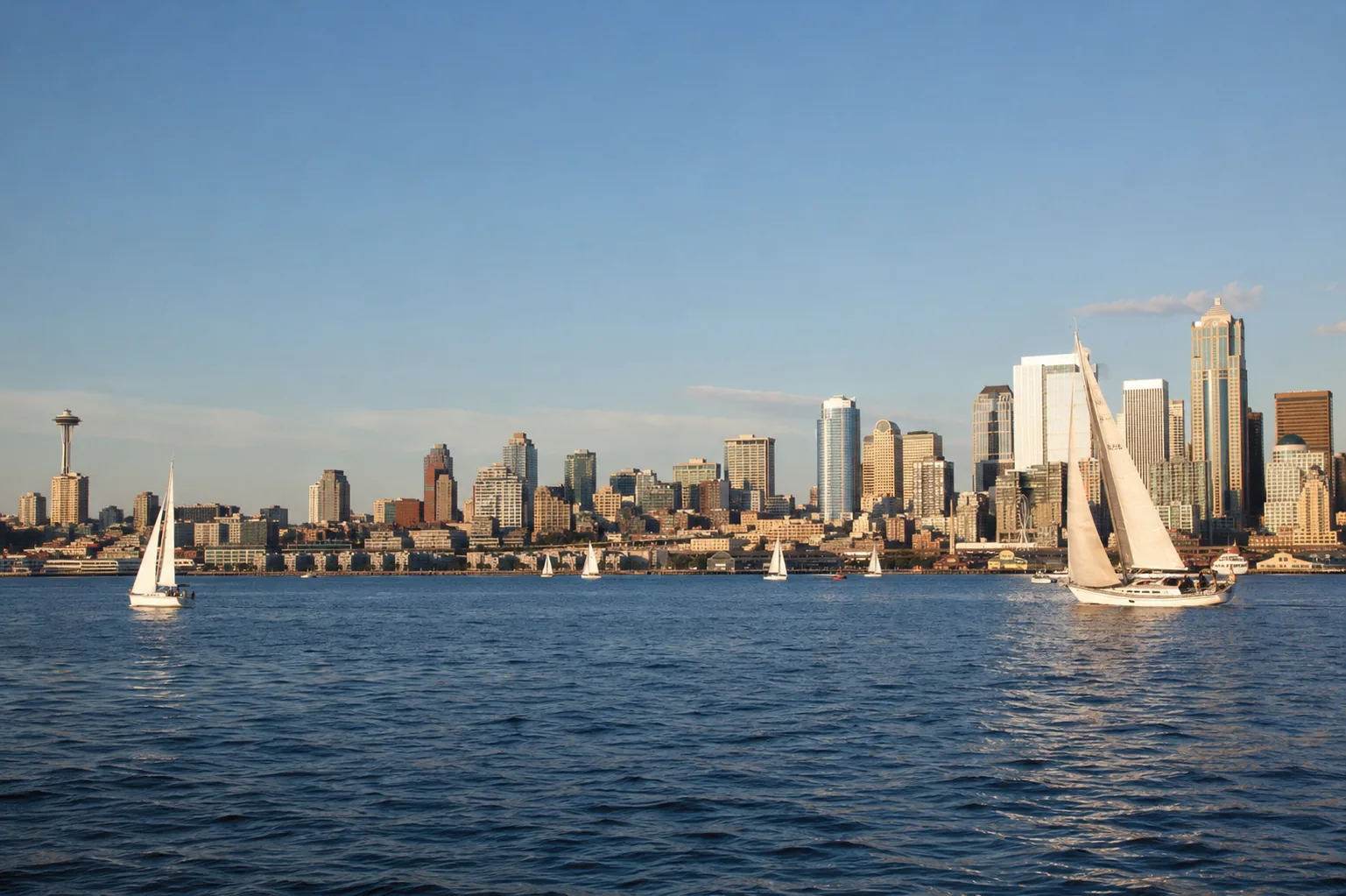
OSDI 2026 Seattle: Travel Guide and Where to Stay
- Dates: July 13 - 15, 2026
- Venue: The Westin Seattle, Seattle, WA, USA
- Airport: Seattle-Tacoma International Airport (SEA) is about 14 miles south of downtown
OSDI 2026 lands in Seattle this July, running July 13 to 15 at The Westin Seattle. The USENIX Symposium on Operating Systems Design and Implementation is the top A* venue for systems research - operating systems, distributed systems, storage, and networking - and it draws a relatively tight, highly technical crowd compared to the larger ML conferences. If you are attending, presenting, or just looking for an excuse to be in Seattle in the middle of summer, the timing is about as good as it gets.
The venue. The Westin Seattle is a 47-storey hotel and conference venue at 5th Avenue and Stewart Street in the heart of downtown. It is within a 10-minute walk of Pike Place Market and about the same distance from the Seattle Art Museum. The Washington State Convention Center is also close by, though OSDI itself is hosted within the Westin. The venue is well set up for a conference of this size: multiple meeting rooms and ballrooms, reliable in-house catering, and a lobby that quickly becomes the informal hub for corridor conversations. If you are staying anywhere else in downtown, the walk to the venue will be straightforward.
Getting there. Seattle-Tacoma International Airport (SEA) is 14 miles south of downtown. The Link Light Rail is the fastest and most reliable way in - trains run directly from the airport to downtown’s Westlake Station in about 38 minutes, stopping at Capitol Hill and other central stops along the way. A single fare is around $3.50. Rideshares are available but can take 45 minutes or more in traffic, and parking downtown is expensive enough that driving from the airport is rarely worth it.
When to visit. July is peak Seattle. The city sits at roughly the same latitude as Newfoundland but enjoys a maritime climate that produces genuinely warm, dry summers: average highs in mid-July are around 24C (75F), the days are exceptionally long, and the city comes alive in a way that surprises first-time visitors who picture Seattle as permanently grey. Pack light layers for evenings and a light jacket for the conference rooms, which tend to be well air-conditioned.
Where to stay.
For most OSDI attendees, staying within a few blocks of the Westin makes the most sense given the short, three-day program. Here are the best options at each price point.
The Westin Seattle is the conference hotel itself. Staying on-site eliminates the morning commute entirely and puts you in the middle of every informal social event. It is the right call for anyone who wants maximum time in the rooms and at dinner with other attendees, or for those combining the trip with client meetings. It books up early for conference weeks.
Hyatt Regency Seattle is a four-star option a short walk away on Howell Street, in the Convention Center district. It is slightly less expensive than the Westin for similar quality, and the walk to the venue is five to ten minutes. A solid choice for attendees who want the convenience of downtown without paying the in-house premium.
Staypineapple Hotel FIVE is a three-star boutique on 5th Avenue - practically next door to the Westin. Eco-friendly, with complimentary bike hire and a relaxed vibe that suits the younger end of the systems community. Good value for a central downtown location.
Belltown Inn is the most budget-friendly option, located about eight minutes on foot northwest of the venue in the Belltown neighbourhood. Most rooms have kitchenettes, which helps with costs over a few days. Belltown is also one of the better areas for independent restaurants, so the walk pays off in the evenings.
If downtown Seattle is sold out or over budget, the Bellevue hotels across Lake Washington are about 30 minutes away by car. The area has more hotel inventory at better rates, but the commute adds up over three days. Worth considering if you are pairing the conference with work at one of the Eastside tech campuses.
Food and neighbourhoods. Pike Place Market is the obvious first stop - the original Starbucks is there if you want the novelty, but more importantly it is surrounded by excellent fish, produce, and a cluster of good lunch spots that are close enough to justify the walk mid-conference. For dinner, Capitol Hill is Seattle’s best eating and drinking neighbourhood: around 20 minutes on foot (uphill) or a single Link Light Rail stop. The stretch along Pike and Pine Streets has everything from ramen to natural wine bars. Ballard is further out but worth a half-evening for its Scandinavian-inflected seafood and the Sunday farmers market if you are extending your stay. Pioneer Square, directly south of the Pike Place area, has Seattle’s best cocktail bars.
If you have extra time. The Space Needle is 10 minutes west of downtown at Seattle Center and easier to visit than its touristy reputation suggests - the observation deck gives you a clear read on why the city sits where it does, with water on both sides and mountains in every direction. If you want something more unusual, the Beneath the Streets underground tour takes you into the buried storefronts and sidewalks left over from the 1889 Great Seattle Fire, when the city rebuilt an entire storey higher than the original street level. It is 90 minutes, runs multiple times daily from Pioneer Square, and is genuinely interesting history for a city that does not usually lean hard on its past.
For a full day out, Mount Rainier is 90 minutes southeast of the city and on a clear July day it is one of the most dramatic things you can do from Seattle. A guided day trip is the practical option since the park has limited parking and the guided routes cover the highlights - wildflower meadows, glacier viewpoints, and the visitor centre at Paradise - without the logistics of renting a car. A ferry from the downtown waterfront to Bainbridge Island is a shorter alternative if you only have a morning: 35 minutes each way, a quiet walk through a small town, and good coffee.
For the full hotel comparison, venue map, and conference dates, see the OSDI 2026 page and the Seattle city guide.